QS Asia University Rankings 2027: Seven in ten Indian universities in the QS World University Rankings – Asia 2027 have recorded a dip, even as India’s presence in the table has grown to 325 institutions, the second‑highest in the region after mainland China. According to QS, 71 per cent of India’s ranked universities fell, 18 per cent rose and 11 per cent held steady.
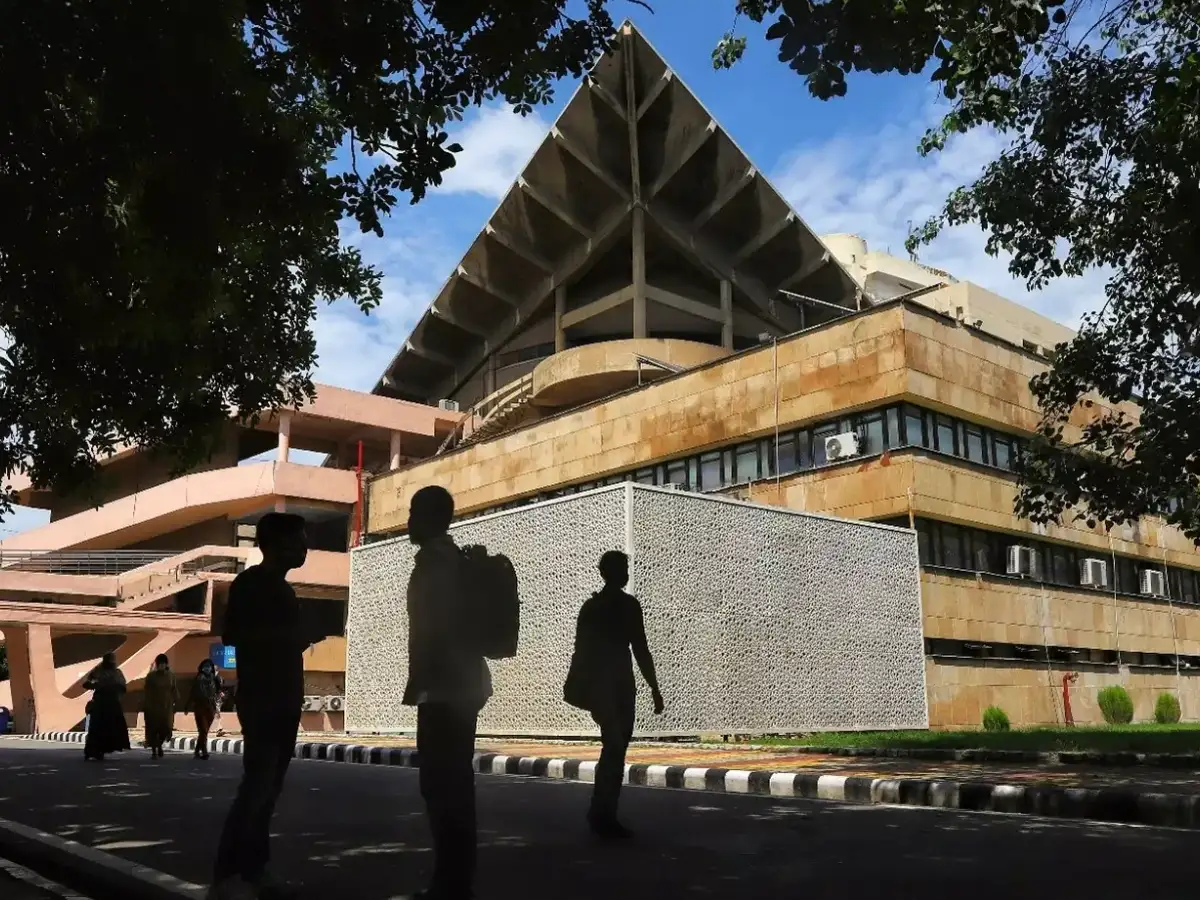
The decline reaches the very top. All six of India’s highest‑ranked universities dropped. IIT Delhi remains the best‑placed Indian institution but slipped from 59th to 66th, while IISc Bangalore fell from 64th to 79th, IIT Bombay from 71st to 83rd and IIT Madras from 70th to 85th. The University of Delhi went from 95th to 106th, leaving the regional top 100.
QS Senior Vice President Ben Sowter cautioned against reading the number as a verdict on quality. Explaining the numbers, he told Indianexpress.com, “An important note is that the 71 per cent figure refers to the proportion of India’s 325 ranked universities that moved down the rankings this year, not that India’s performance declined by 71 per cent. Additionally, a fall in rank does not always indicate weaker performance. In fact, two‑thirds of the Indian universities that dropped in rank improved their overall scores, while leading institutions such as IIT Bombay, IIT Delhi and IISc broadly maintained them.”
(...)
Why the dip?
QS says the fall is largely a story of competition. “Rankings measure relative performance, and competition across Asia is intensifying. This year, 195 new universities entered the rankings, while many established institutions also made significant gains. Near the top of the table, fewer than five points can separate universities ranked thirty places apart. India is far from alone in facing this pressure: many established Asian higher education systems saw more universities fall than rise, including Japan (85 per cent) and Taiwan and Indonesia (70 per cent each).”
(...)