
Until this spring, Weng Yujia was studying management because of its supposed job prospects. At the same university in Shanghai, Lin Yuanhao studied international relations and public affairs, presented as the best option based on her college entrance exam score.
Today, both now study Chinese language and literature.
Within weeks of starting university, Weng had soured on management and its math- and science‑heavy coursework. “I just plain disliked” many required classes, she said, adding that she struggled to see some of their educational value.
VCG
Lin had wanted to study Chinese language and literature from the start, but her college entrance exam score fell short of the cutoff. By the time she switched majors, a sixth of the roughly 120 students enrolled in her international relations course had moved to other fields, mostly economics, management, or law.
“Changing majors is like giving students a second chance to choose,” she told Sixth Tone.
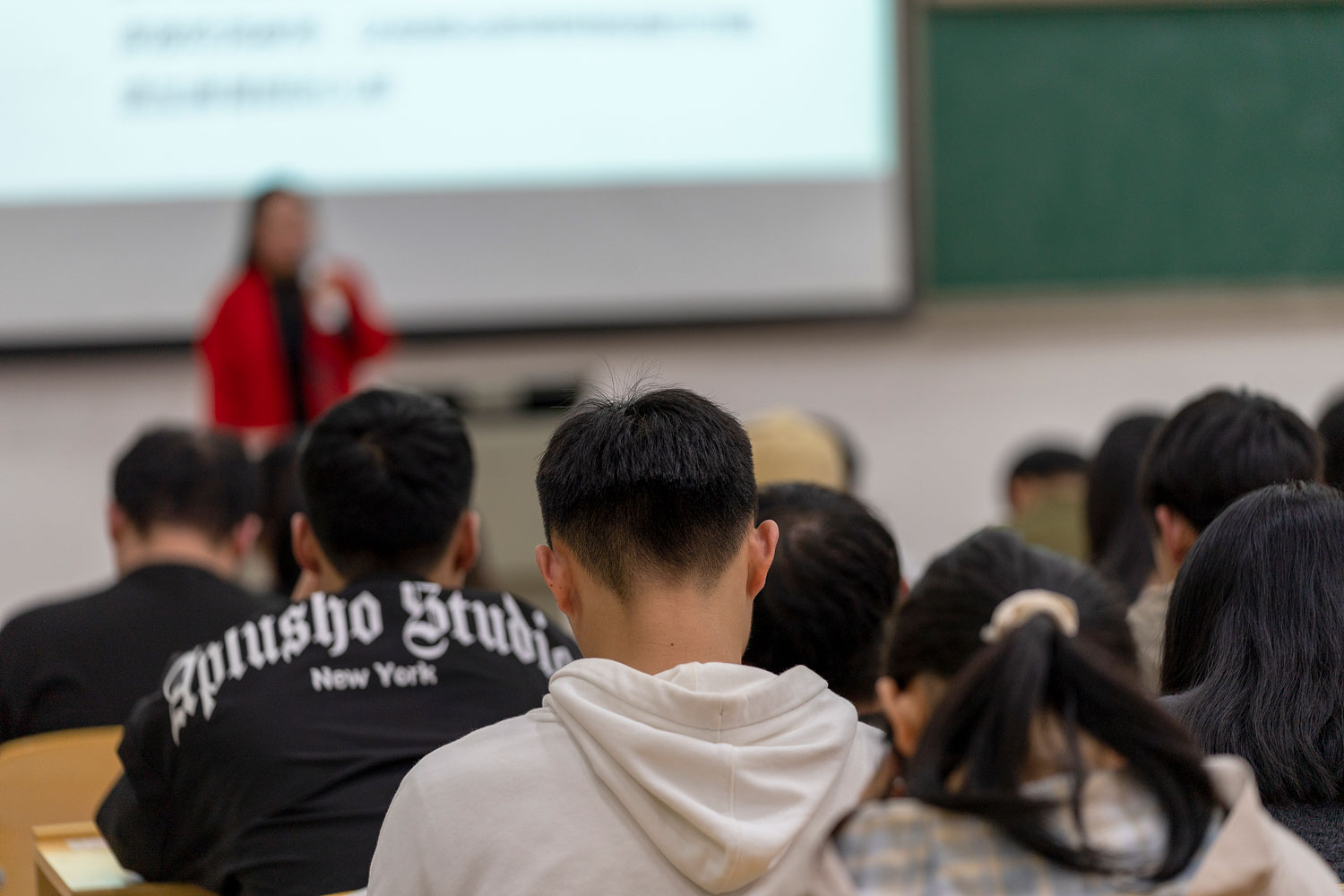
Across China, more students are making that choice as universities give them greater freedom to reconsider majors they picked under pressure from college entrance exams, parental expectations, or worries about future employment.
For years, changing majors was difficult, with universities limiting transfers or requiring students to meet strict grade and class‑rank thresholds. It wasn’t until 2005 that, for the first time at the national level, the Ministry of Education issued a new regulation allowing students to change majors if their universities agreed.
National rules were further loosened in 2017, when students with an “interest or particular strength in another field” were explicitly allowed to apply for transfers.
(...)
![[USA] 9 Universities Accused of J-1 Visa Fraud](https://www.insidehighered.com/sites/default/files/styles/max_650x650/public/2026-10/GettyImages-2299223780.jpg?itok=H76lh7lh)