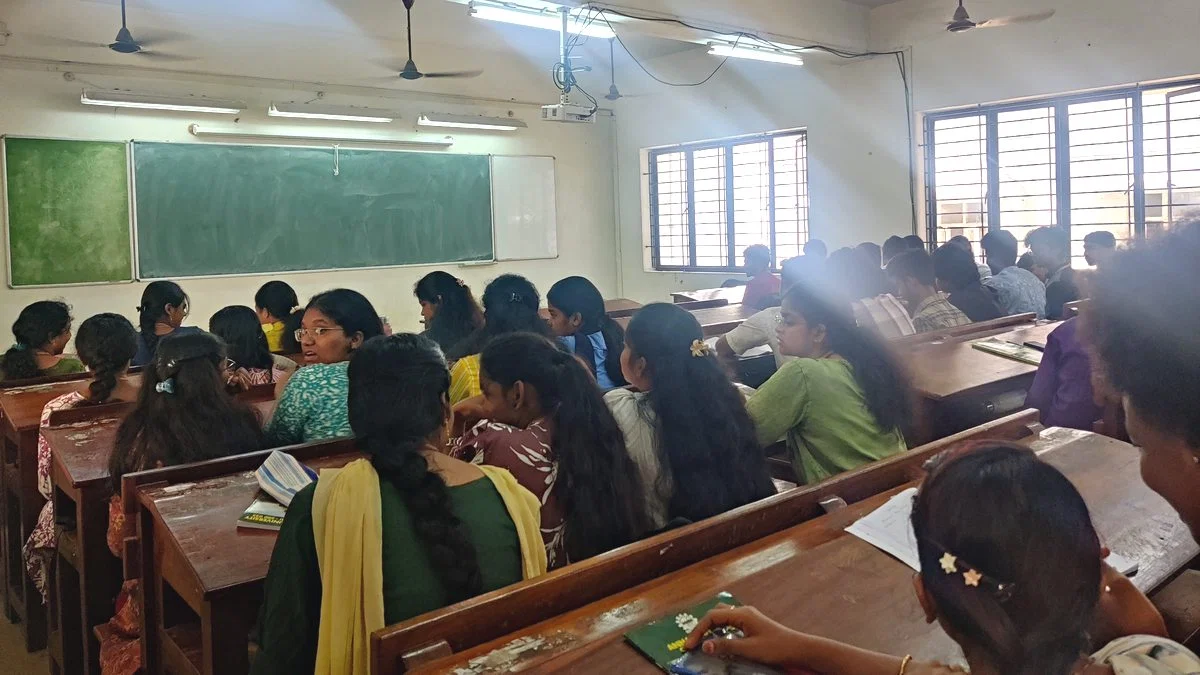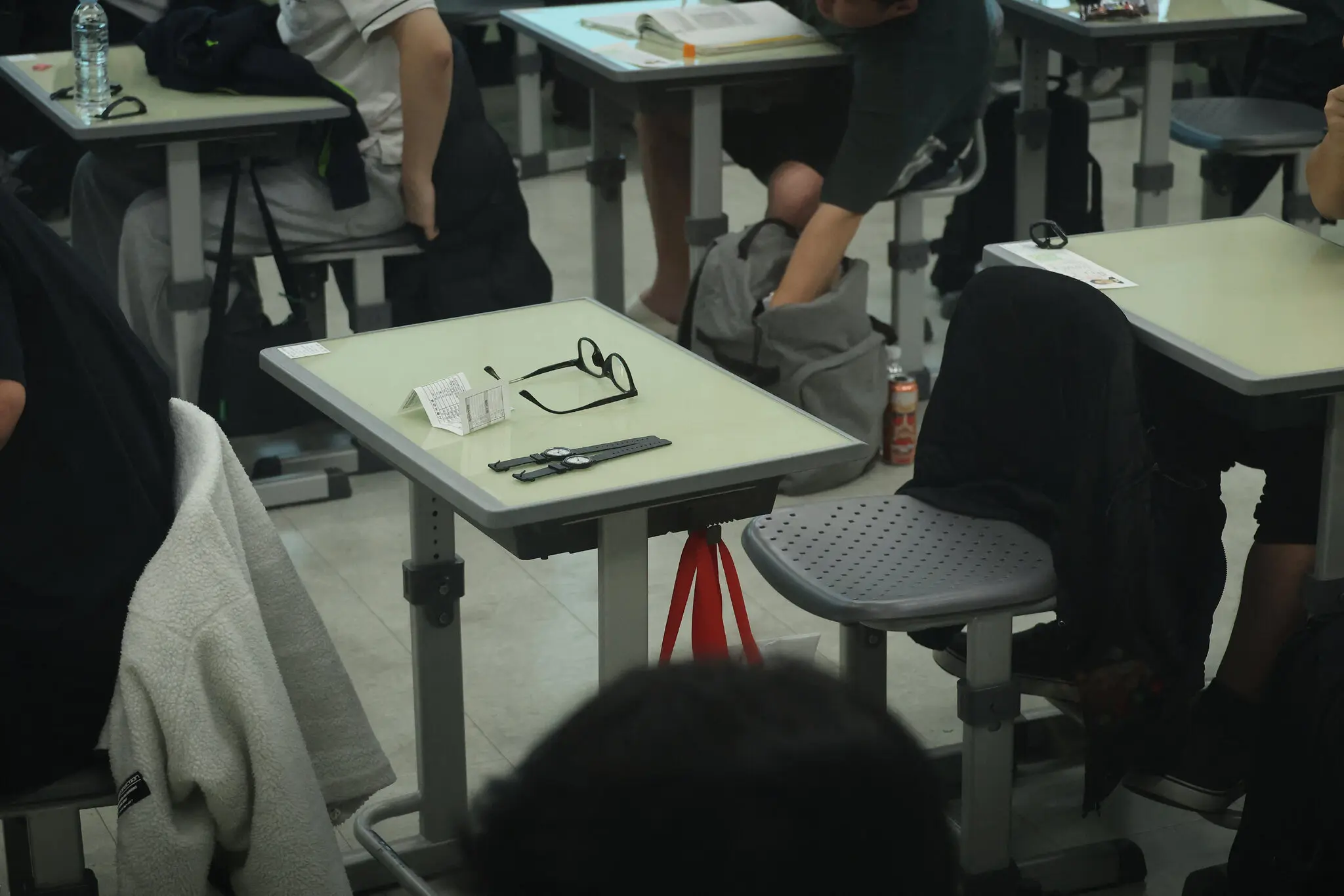

Since 2014, the Indian higher education system has undergone a massive transformation. Enrolment has risen sharply, with more students, more women, and more from marginalised communities. The major institutions (the IITs, IIMs, and NITs) are all in place. The issue now is that the system has grown so fast that it’s created a whole raft of new problems. There is a massive faculty shortage, very low research output, major affordability issues, huge disparities in education quality, very little vocational training, and a very poor examination system. The focus is now very much on scale as well as quality.
One of the most dramatic changes has been the number of higher education institutions. The number of universities has increased from 723 in FY14 to 1,289 in FY24 (a 78% increase). The number of colleges rose from 36,634 to 48,246, and the number of standalone institutions rose from 11,664 to 15,221; by FY24, India had 64,756 institutions of higher education. Growth in both the public and private sectors has led to greater access to higher education. With so many more universities and colleges, students have a much wider range of subjects to choose from in their own area.
(...)
The big issue for the next 10 years is to go from quantity to quality. Fill faculty positions as soon as possible. Strengthen the interface between research and industry. Increase funding for higher education. Improve vocational education. Ensure education is both affordable and high quality. Build confidence in the examination system.
(...)