For millions of working parents, breadwinners, overseas workers, and marginalized youth across Asia, a traditional university degree has long felt like an impossible luxury. Between rigid class hours and fixed lecture halls, conventional education often forced learners into an unfair choice: earn a living or earn a degree.
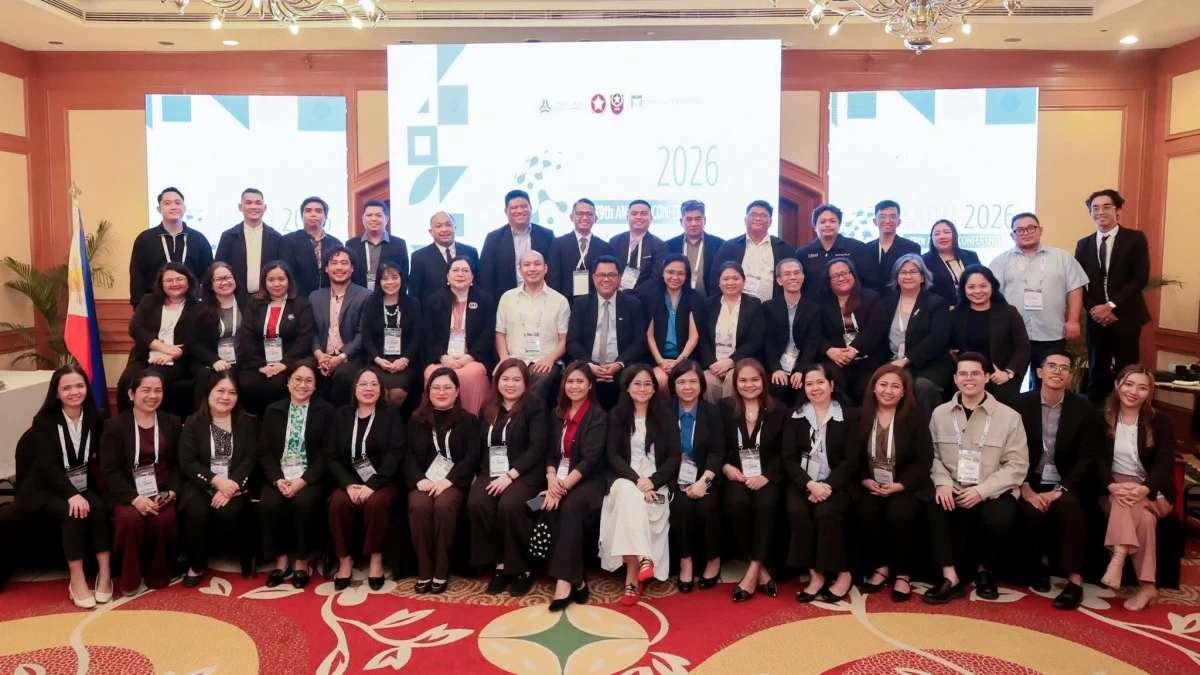
To break that divide, higher education leaders, researchers, and distance‑learning pioneers from 16 nations converged at The Heritage Hotel in Pasay City from Oct. 22 to 24, 2026, for the 39th Annual Conference of the Asian Association of Open Universities (AAOU).
Hosted for the first time by the Polytechnic University of the Philippines (PUP)—the country’s pioneering state institution in open education—the three‑day assembly tackled how regional collaboration can bridge persistent social, economic, and digital divides across higher learning institutions.
Education for the underserved
Carrying the theme “Responding to Global Challenges Toward a Resilient and Future‑Ready Open and Distance Education,” the gathering drew roughly 200 delegates from institutions across Asia and beyond, including South Korea, Japan, China, Pakistan, Türkiye, Thailand, Indonesia, Canada, and the United States.
At the core of the discussions was a commitment to ground digital tools in human empathy.
“Our history reminds us that Open, Distance, and e‑Learning (ODeL) is not merely about technology. It is about people. It is about giving someone an opportunity,” said PUP president Dr. Manuel M. Muhi during his opening address. “The true measure of an open university is not simply how advanced its technology is. The true measure is how many lives it is able to transform.”
(...)