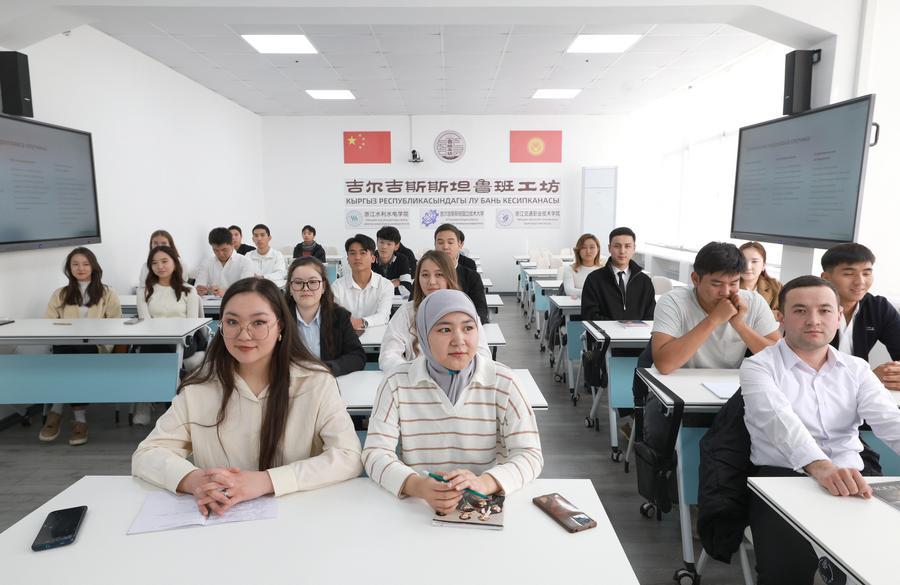
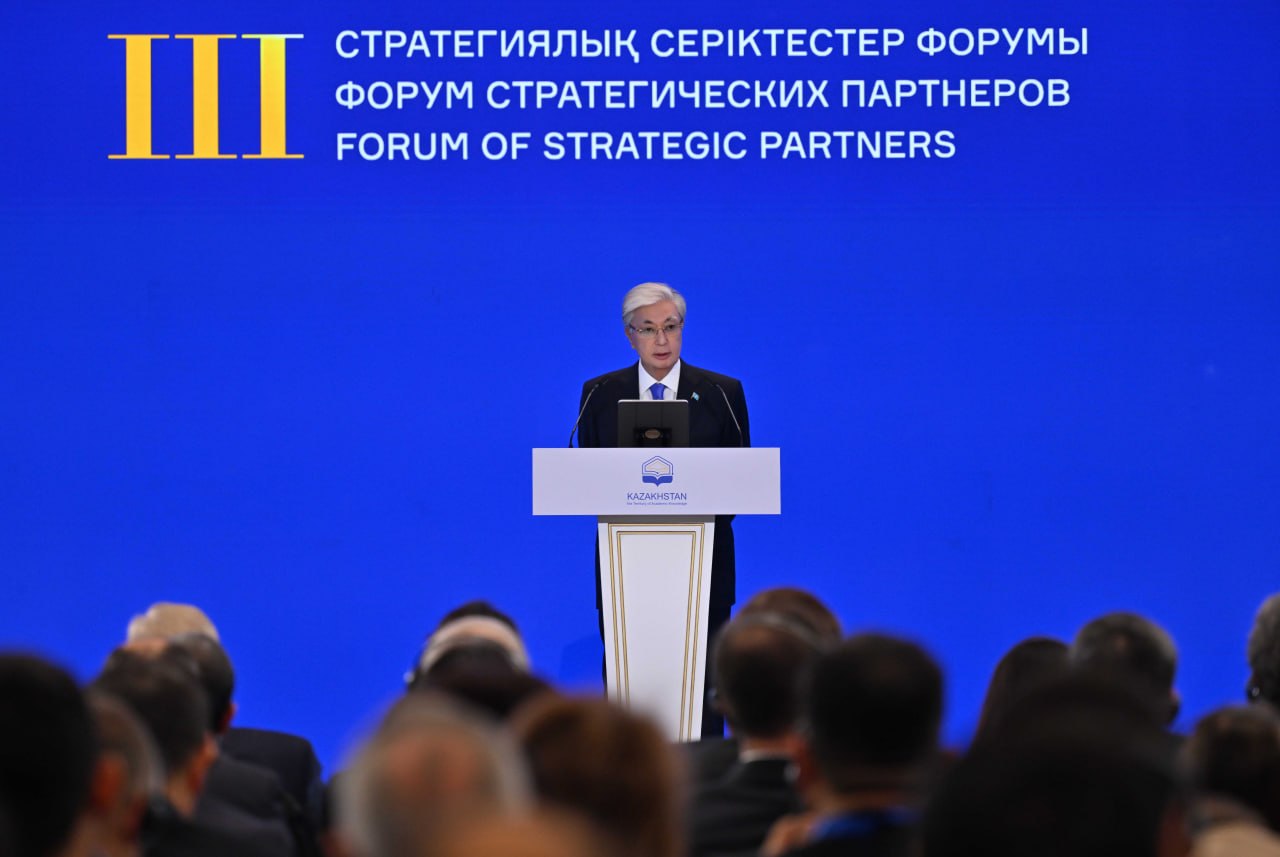
Addressing international university leaders, scientists and education experts, Tokayev said the country must move beyond hosting foreign university branches and focus on research, technological innovation and retaining world‑class expertise, Akorda reported. “Our strategic goal is to transform Kazakhstan into an academic hub of Central Asia and become part of the global market for knowledge, particularly relevant and high‑quality knowledge,” he said. From international campuses to joint research Tokayev described international academic partnerships as the first stage of Kazakhstan’s ambitions. Universities from 11 countries have established branches in the country, enrolling more than 12,000 students and employing nearly 1,500 lecturers, including more than 600 foreign professors. Kazakhstan currently has 132 universities with more than 800,000 students. The number of international students has increased from 31,000 last year to 41,000, with more than 8,000 receiving financial support from Kazakhstan. The country plans to raise this figure to 100,000 by 2029 through the national Study in Kazakhstan initiative. Kazakhstan has also become the first country in the region to join the Lisbon Recognition Convention, covering Europe, and the Tokyo Convention, covering the Asia‑Pacific region. The move strengthens international recognition of Kazakh university qualifications. The next stage, Tokayev said, will focus on scientific cooperation, joint research laboratories and breakthrough technological projects. “Now I have set the task of retaining world‑class knowledge in Kazakhstan in the form of qualified personnel, scientific achievements and innovations,” he said. The forum also featured an exchange ceremony for a signed agreement between Kazakhstan’s Ministry of Science and Higher Education and the United Nations University on establishing a regional research hub in Almaty.
(...)