
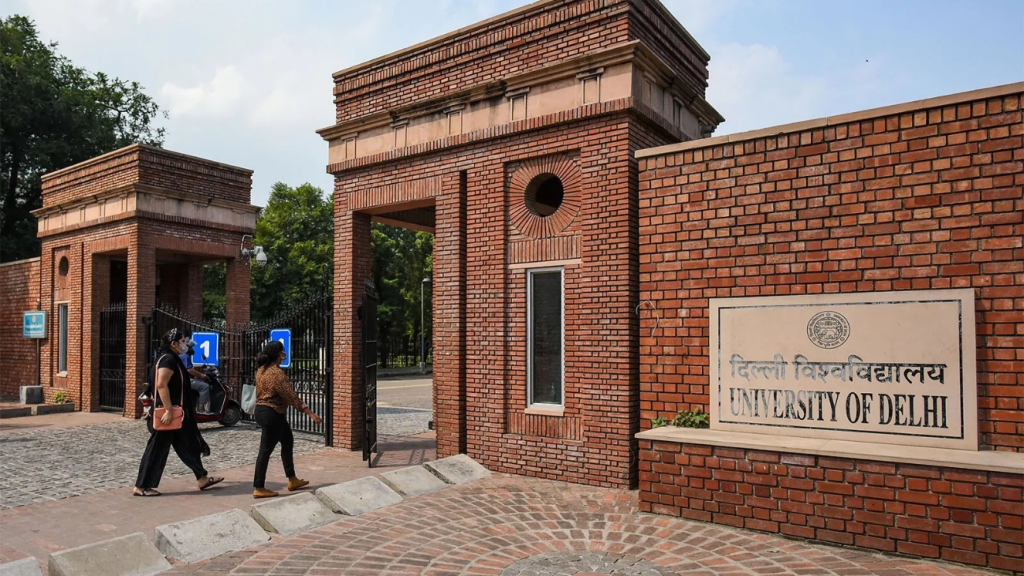
When the ‘QS World University Rankings: Asia 2027’ were released last week, the immediate reaction in academic circles was one of familiar dismay: nearly 71% of Indian universities had slipped backward, with all six of our highest‑ranked institutions—including the premier IITs and the University of Delhi, which dropped out of the top 100—losing ground. Media coverage and official commentary largely attributed this drop to hyper‑competition, driven by an unprecedented wave of 195 new universities entering the QS rankings for the first time.
But there is another side to the story – a disconnect between massive quantitative volume and global qualitative traction.
Thirteenfold increase
India’s representation in QS Asia rankings has increased more than thirteenfold—from just 24 in 2016 to 325 today—making the country Asia’s second most represented system after mainland China. Yet, as we argued in these columns in August (Why the government shouldn’t simply celebrate more institutes in QS rankings; tinyurl.com/4yafx9ff), sheer headcount and academic excellence are two different things.
A deep dive into these rankings reveals a striking paradox: India dominates Asia in raw research inputs, yet struggles at the finish line.
(...)