Policies· China
Rewriting China’s education future
Overhaul aims to build more practical and internationally connected schooling system
By China Daily HK | Ole Doering · 15 Nov 2026
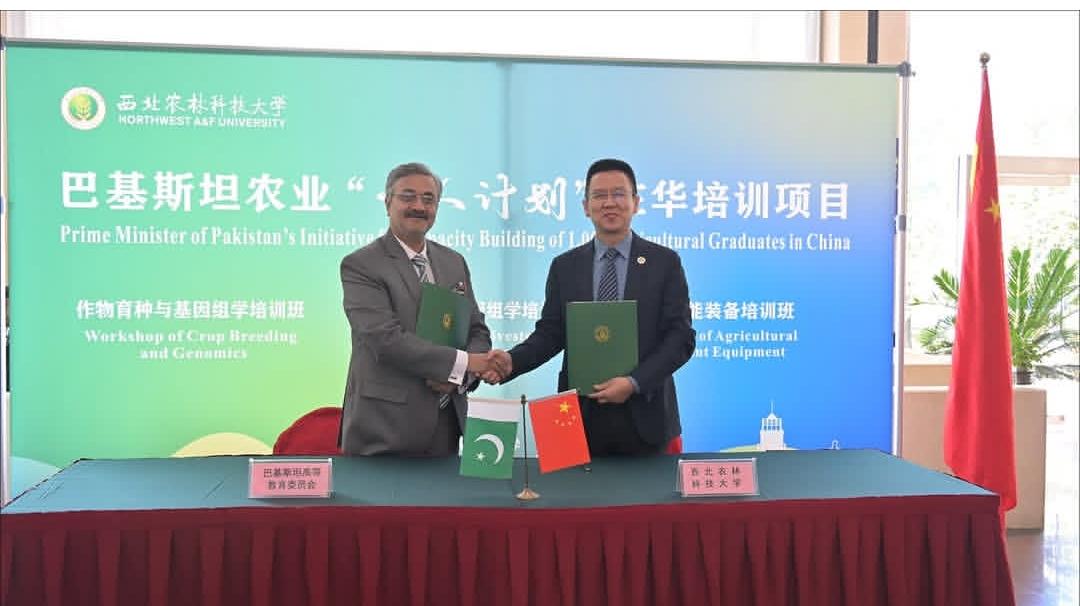
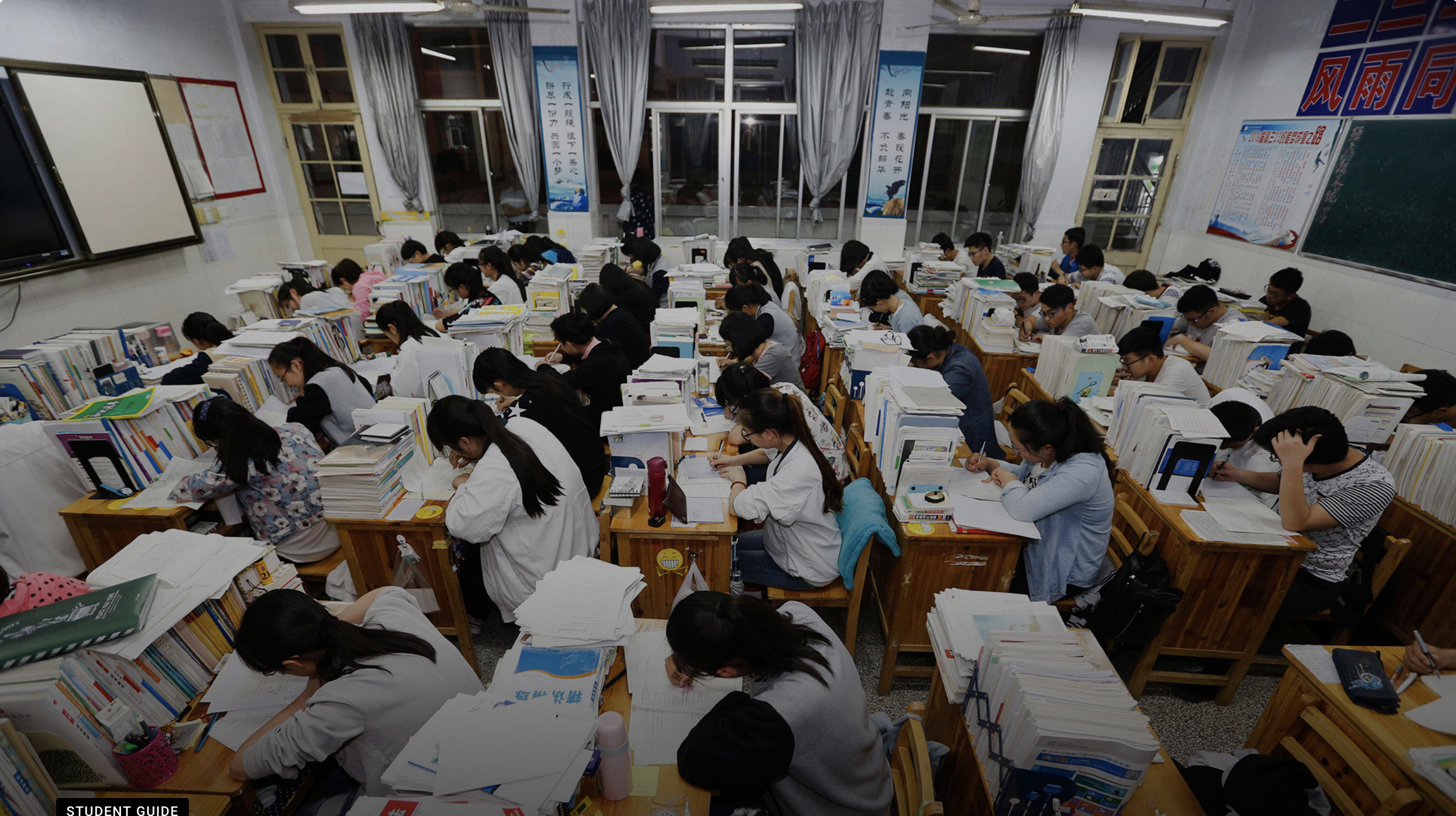
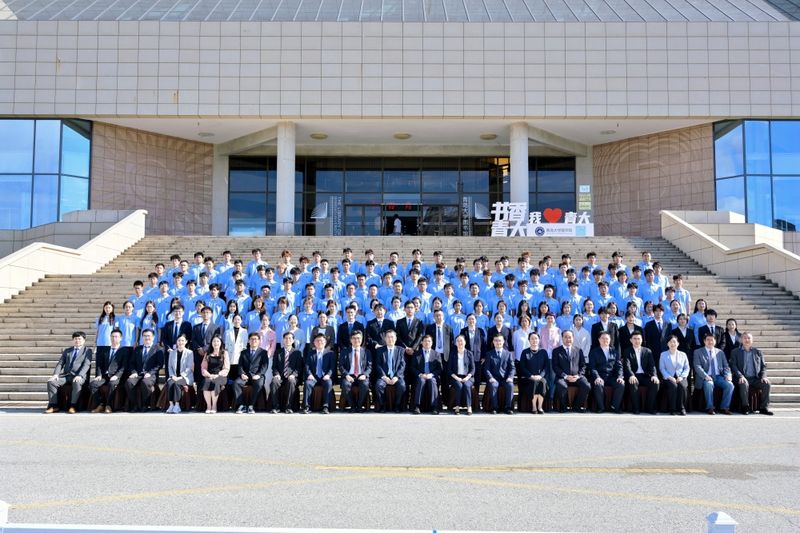
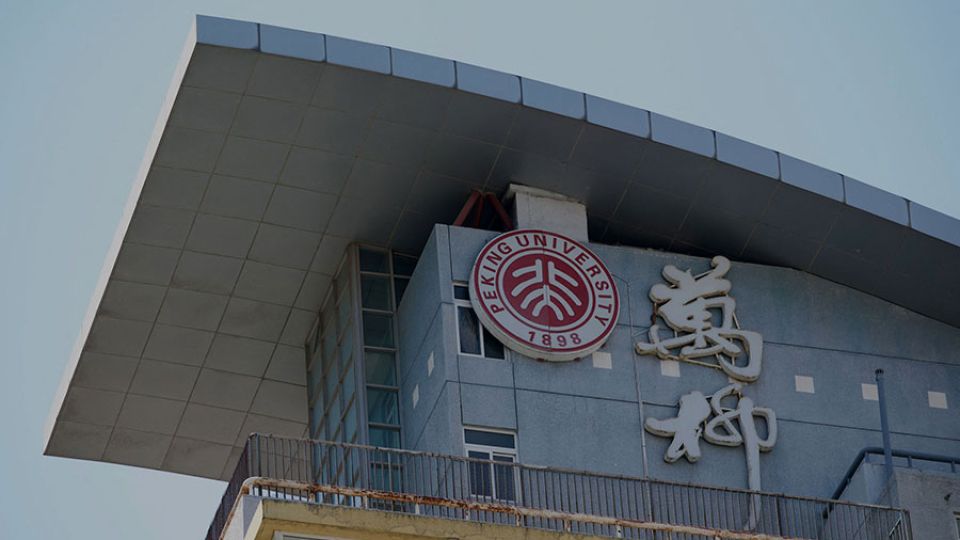
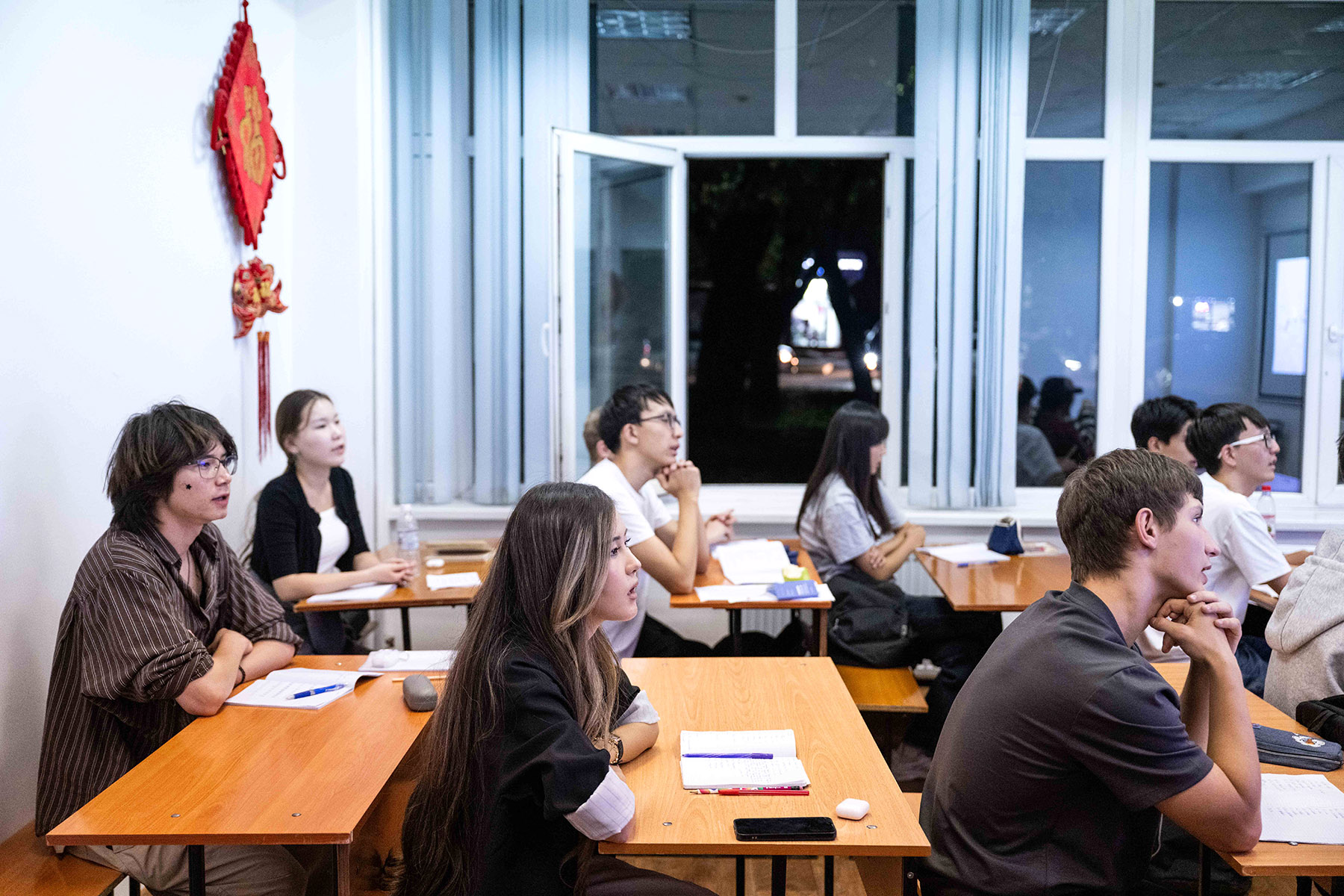
In just a few decades, China has built one of the world's most powerful university systems, with massive investment in research and academic excellence. An overall student population as high as 50 million (60, including the vocational system) is hosted by more than 3000 universities and higher ed institutions. With a Gross Enrollment Rate (GER) of approximately 70% (from 30% 15 years ago), the most impressive feature of such a gigantic system is the density of world ranked institutions. In the last QS ranking, 6 mainland China universities are in the top 100, to which 3 universities from the Greater China area have to be included. Every public university comes under a dual governance : the Party on one hand (nominating the Party Secretary, the prominent figure of any university) and the Faculty on the other hand (spearheaded by the President). The overall success in training and research stems from a strong committment of the system into Excellence initiatives, since the ruling time of Deng Xiaoping in the 1980's, even though the total expenditure by students remains way lower than the average OECD expenditure (respectively 7,700 USD and 22 000 USD). The main recent features in China's higher education system are the growing presence of non State-private institutions (more than a third), and the importance of outbound mobility of students. China, in the recent years, also claims to become a hub for inbound mobility (especially in Asia through the initiative of the Belt and Road), and a provider of transnational education beyond its boundaries, which was not the case before. In recent years, 500 000 students who went abroad have been returning home, a straightforward consequence of China's thriving economy in the 2010's and in the early 2020's. On Asia Campus News, follow the latest news on higher education and research in China.