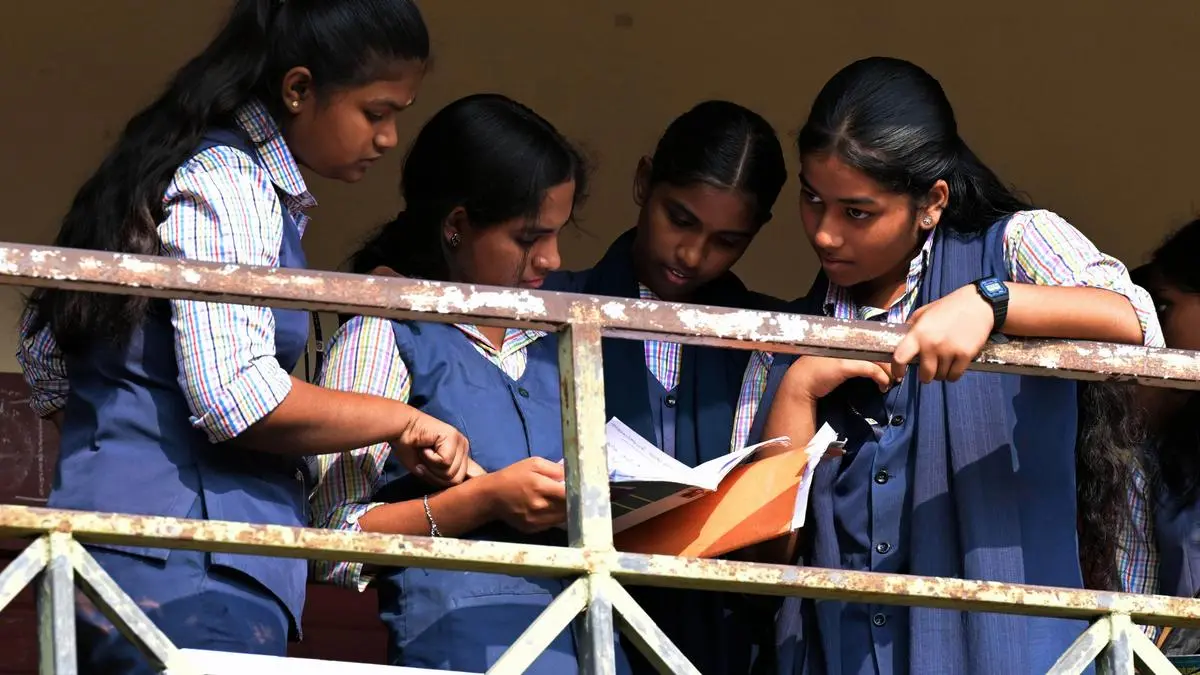
Development in any nation depends on equal opportunity for all, irrespective of caste, creed, colour, economic status, gender, or any other form of discrimination. Girls and women make up a large share of any country’s population, and their empowerment is intrinsic to social and economic progress. A great deal of the literature in development economics shows female literacy to be one of the clearest imperatives of development.
The Nobel laureate Claudia Goldin has contributed to the study of labour force participation and has reiterated that gender equality in education and empowerment is central to a nation’s social and overall advancement.
This understanding can roughly be traced to the theoretical work of Simon Kuznets (on hidden household income) and, much later, Amartya Sen (on the union of human rights and development economics, and his “missing women” concept). Both have inspired generations of research on the relationship between female literacy and other development indicators.
Investment in female literacy boosts economic growth, in the form of higher GDP, and also brings wider benefits: improved health, reduced poverty, greater gender equality, and a better overall quality of life. All of these are rooted in female literacy, and investment in female education pays off well beyond economic metrics, across society.
(...)
Some studies suggest that women who benefit from greater investment in female human capital may obtain jobs with better working conditions and adequate remuneration. These findings align with the broader U‑shaped hypothesis discussed by the Nobel laureate Claudia Goldin: higher literacy initially leads to a decline in female labour force participation, driven by social constructs and a lack of respectable employment opportunities, and participation rises later, when higher education leads to non‑manual, white‑collar jobs that carry less social stigma.
Female literacy alone does not close the skill gap or bring women into the labour market. That makes it imperative to invest further in skill development for women.
Sarika Rachuri teaches economics at the ICFAI IBS Business School, Mumbai.
This article draws on a research paper that the author co‑authored, published in volume 64 of The Administrator, that went live in November 2026.
(...)